



Listen While You Read . . . It will only takes 8 minutes!
Read Aloud - AI Generated. Copyright 2024 CogniTwigs
Download A Copy of This Article Below.
Introduction
In the first two posts, we explored how stress signals unmet needs and how gaps in understanding and resources can create frustration. But what about the pressures that sustain this stress?
In the rush to meet deadlines, follow curriculums, or achieve milestones, it’s easy to feel like the only way forward is to push harder. Yet, this constant pressure can leave parents, teachers, and children feeling stuck, overwhelmed, or disconnected.
Instead of pushing harder, what might we discover by slowing down and truly paying attention? In this post, we’ll explore how taking a step back can reduce stress, spark understanding, and create space for growth.

What We'll Cover in this article:
- Observing: The Value of Watching and Listening
- Analyzing: Understanding the 'Why' Behind Behavior
- Play: The Gateway to Natural Learning
- Letting Solutions Emerge
1. Observing: The Value of Watching and Listening
Before we can address challenges, we need to understand them—and observation is the key. But in the rush of daily demands, this essential step often gets overlooked.
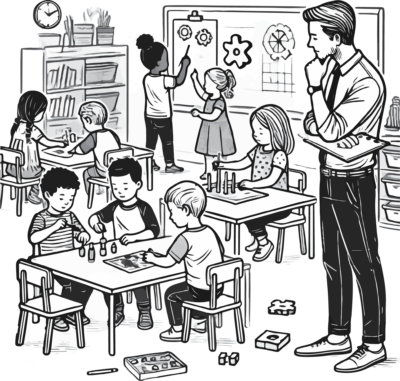
Teachers: Look for the Clues
Pausing to observe may feel impossible amidst curriculum pressures, but even small moments can offer invaluable insights. For example, how a student approaches a task or interacts with peers might highlight hidden strengths or struggles. A student who excels with hands-on activities but struggles with written instructions could reveal where adjustments are needed to help them thrive.
Parents: Watch for Patterns
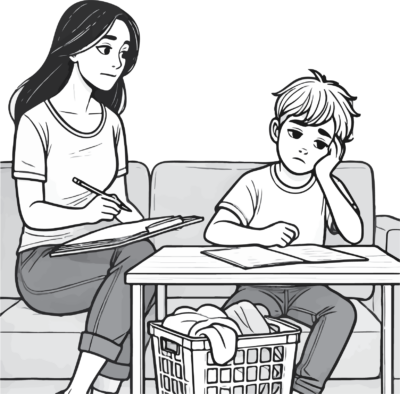
Whether you’re homeschooling or supporting a child after school, juggling priorities or worrying about falling behind can overshadow the value of observation. But taking the time to simply watch can uncover important patterns. Are they frustrated, disengaged, or avoiding tasks? These behaviors often reflect hidden pressures, like feeling overwhelmed or lacking support.

What Can We Learn From Observation?
Children often feel the pressure to “perform” even when they’re not developmentally ready. Observing their reactions—whether shutting down, rushing tasks, or asking repetitive questions—can uncover sources of stress and guide us to the next step.
Practical Tips for Observation:
- Create unstructured opportunities: Activities like drawing, building, or role-playing allow children to engage naturally and reveal emotional responses.
- Reflect on your own emotions: Are you projecting stress or urgency? A calm, supportive approach helps children feel secure.
- Join in their activities: Participate with curiosity and playfulness to model problem-solving without fear.
Ready to understand what’s behind the behavior? Let’s take a closer look.
2. Analyzing: Understanding the 'Why' Behind Behavior
Observation is the first step, but to create real change, we need to ask: Why is this happening?
Behavior often reflects unmet needs rather than a lack of effort or motivation. For example, a child struggling with math may lack foundational number sense, while one avoiding group work might feel socially anxious. At home, resistance to homework often stems from feelings of frustration, overwhelm, or fear of making mistakes.
How Can We Be More Reflective?
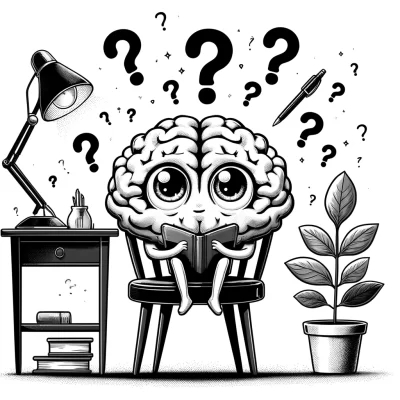
To analyze behavior effectively, ask yourself:
- What unmet need might this behavior reflect?
- Are external pressures (like deadlines or expectations) adding to the stress?
- How can I adjust my approach to reduce frustration and provide support?
Can Involving The Child Help?
Absolutely. Children often have valuable insights into their own challenges—insights we might overlook. Asking questions like, “What’s tricky about this for you?” or “How do you think we could make this easier?” invites collaboration and helps uncover barriers.
When children are involved in problem-solving, they feel empowered and supported. This sets the stage for the next step: creating space for them to explore solutions on their own.
3. Play: The Gateway to Natural Learning
In a low-pressure space, children can explore, experiment, and develop skills naturally while finding joy in learning.
Can This Work For Teachers?
Yes! Incorporating play into lessons makes difficult concepts more accessible and engaging. Activities like storytelling, role-playing, or using manipulatives let students connect with material creatively. For example, using blocks to explore math concepts or acting out historical events reinforces understanding while reducing pressure.
What Can Parents Do?
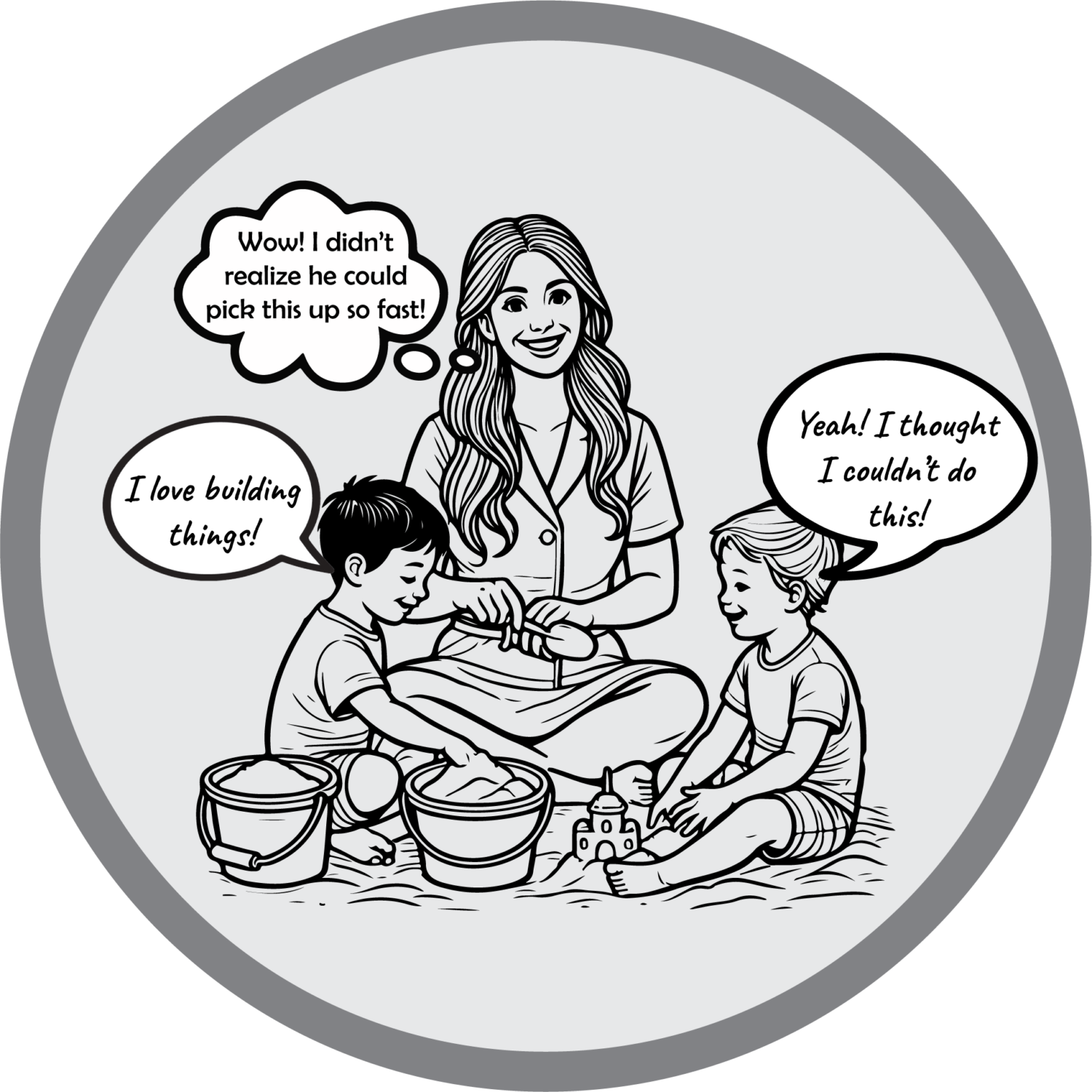
At home, play can turn everyday moments into opportunities for learning. Rhyming games support reading skills, while cooking teaches measurement and math. Outdoor play, like drawing shapes in the sand or exploring patterns in nature, adds a tactile dimension to learning.

Why Does Play Matter?
Play helps children in profound ways, fostering creativity, confidence, and stronger relationships:
- It removes the fear of failure, encouraging creativity as children experiment and explore freely without the pressure to "get it right."
- It lets children explore at their own pace, building confidence through self-directed learning and discovery.
- It strengthens relationships through shared, meaningful experiences that deepen connections with peers, teachers, and parents.
By focusing on play, we shift the focus from pressure to possibility. Now, how do we encourage children to take ownership of their growth?
4. Letting Solutions Emerge
One of the hardest things for adults—parents and teachers alike—is stepping back to let children solve problems independently. The urge to help is natural, but when we step in too quickly, we prevent children from getting the chance to build resilience and independence.
How Does This Look for Teachers?
It might mean giving students more autonomy in how they approach a project or solve a problem.
What About Parents?
For parents, it could mean resisting the urge to correct every mistake and instead asking, “What do you think we could try?”
Pausing allows children to experiment, make mistakes, and learn that these are all part of growth.

Practical Applications:
- Encourage brainstorming: “What do you think we could try?”
- Celebrate small successes: Reinforce progress to build confidence.
- Give space to fail: Let children know they have your support to try again.
- Collaborate on solutions: Help them take ownership of their learning journey.
Pausing here isn’t about stepping back—it’s about stepping aside so children can step forward.
Key Takeaways!

Pausing isn’t about slowing down—it’s about creating space for clarity, connection, and growth. For teachers, it opens opportunities to meet students’ needs creatively. For parents, it’s a chance to reflect and support without unnecessary pressure.
For children, pausing replaces the stress of constant performance with the freedom to explore, learn, and succeed at their own pace. By observing, analyzing, and fostering autonomy, we move from reacting to understanding—building confidence and stronger relationships along the way.

Ready to Come Up for a Breath?
In the next post, we’ll sum up the series with practical strategies for addressing gaps and empowering children to thrive. How can we turn these insights into actionable steps?