Cognitwigs Handwriting Intervention Program
Cognitwigs Handwriting Intervention Program
The CogniTwigs Handwriting Intervention Program is based on the Spalding Writing Road to Reading approach and has been developed to break down letter formation and increase accuracy and fluency in handwriting. It includes:
Level 1
1. Skills Assessment

This is an initial assessment that helps to identify skills that your child has difficulty in. For this I will be using the South Warwickshire NHS Children’s Occupational Therapy Fine Motor Skills Screening Form. The assessment can be discussed and filled out during a free consultation with the tutor to help determine areas of this assessment will help determine which intervention program needs to be used.
The South Warwickshire NHS Children’s Occupational Therapy offers 6 intervention programs that can be found on their website and used for helping you child. I recommend parents using the programmes below:
There are helpful tools for tackling other issues here.
Program 5 and 6 is covered in the CogniTwigs Handwriting Intervention Program. Parents are welcome to use program 5 and 6 with their children, although they do not cover in depth the skills covered in this program.
2. Motor Skills and Muscle Control

Motor skills and muscle control is important for successful handwriting. Exercising the right muscles is important before moving onto more advanced writing skills. These skills will be assessed and focused on in each lesson.
3. Breaking Shapes and Objects Down into Parts – Visual Perception

Visual Perception is often an issue when children are struggling with letter formation, spacing, size, shape and flipping letters. It is important to build thinking skills, such as clear perception, relevant parts and precise labelling in order for the brain to perceive what is actually in any given shape. This program uses modelling clay and shape or picture building as a modality for training these concepts.
4. Systematically Building Structures

Systemizing our thinking enables more efficiency when completing tasks. During this program, your child will be encouraged to think about their thinking and find systematic ways to approach the task given. Tasks will be building pictures with modelling clay.
5. Using Parts to Make New Objects – Visual Perception

Flexibility of thinking and understanding how parts can be used to make other objects is an important skill for understanding how the six letter formations can make 26 letters. In this section the skill will be practiced with modelling clay and pictures. Later it will be used with the letter formations.
6. Directionality
Children who struggle with visual perception also find it difficult to find a fixed focus point when replicating letters. Objects and letters can be flipped and still be the same because they just look at them from a different point of view with, what Ronald D Davis calls “the mind’s eye” (1994). By focusing on directionality, children are able to find the correct direction to start a letter, what direction to read and what direction to write.
7. Letter Formations

Children who struggle with visual perception also find it difficult to find a fixed focus point when replicating letters. Objects and letters can be flipped and still be the same because they just look at them from a different point of view with, what Ronald D Davis calls “the mind’s eye” (1994). By focusing on directionality, children are able to find the correct direction to start a letter, what direction to read and what direction to write.
8. Putting Letter Formation Together to Make Letters
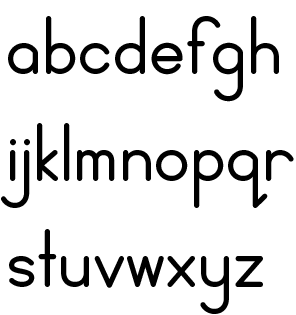
Once the letter formations have been practiced, we will start looking at how they fit together to make letters. This is done with modelling clay activities.
9. Letters / Phonograms - What are they?
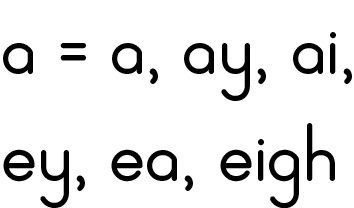
This section we discuss:
- What letters are.
- What their job is.
- How they link to oral language through phonograms.
- How each letter has a name but also makes sounds.
10. THe 4 p's for Excellent Handwriting

This part of the program is where we look at posture, pencil grip, paper position and pressure used. The earlier motor skills will be built on and practiced for these four areas to help develop comfortable handwriting techniques.
11. Dialogues with Finger Writing
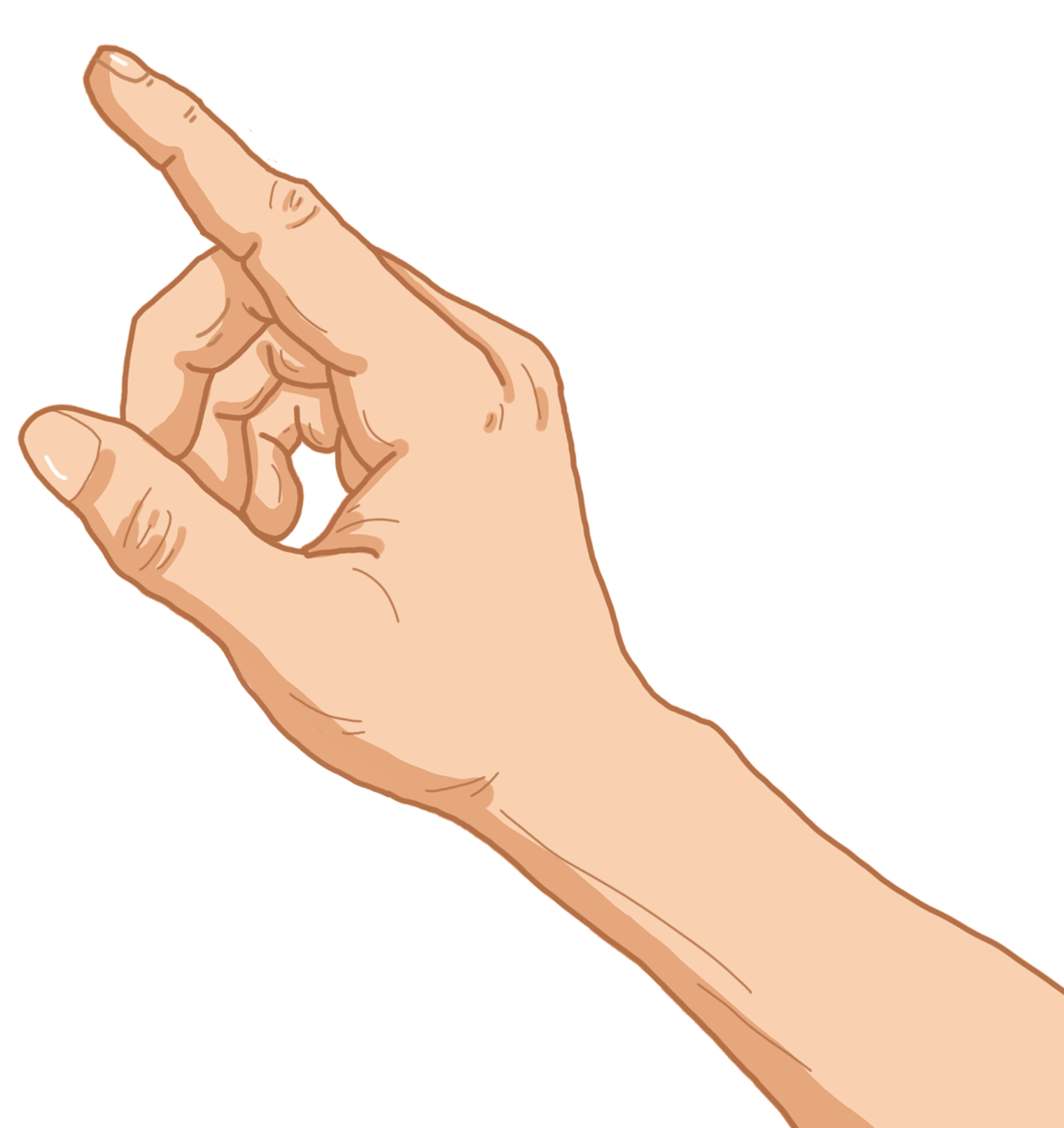
Dialogues are self-talk that the child will learn to say and follow with finger writing for each letter and the sounds it makes. This is practiced first with finger writing in order to concrete the directionality and dialogue in the brain before trying to hold a pencil and write it. In this section we also introduce letter size, lines used and the clock positions.
12. Dialogues with Writing

Dialogues are self-talk that the child will learn to say and follow with finger writing for each letter and the sounds it makes. This is practiced first with finger writing in order to concrete the directionality and dialogue in the brain before trying to hold a pencil and write it. In this section we also introduce letter size, lines used and the clock positions.
13. Letter Formation Practice for speed

Each letter will then be practiced for speed and accuracy. By this time the dialogues should be internalized, but if needed the child will be trained to slow down and use the dialogue to orient themselves with the letter again.
14. Letter formation with Handwriting focus
At this stage, the program introduces handwriting focuses to practice. For example:
- Sitting on the baseline
- 2 o’clock letters
- Tall letters twice as tall as the short letters
- Short letters half the size of the tall letters
- Round letters conform to the same size circle.
- Tail letters go the same size underneath the baseline as above.
- Lines are straight and parallel.
- Dots and crossbars.
15. Handwriting Speed & Accuracy Assessments

These are assessments that are done prior, middle and end of the program to assess improvement and where there is need for further practice. If the child can not write to begin with, the beginning assessment will not be carried out.
There will also be practice for different scenarios where writing is used, such as drafts, note, good copies and assessments.
Level 2
Cursive Handwriting
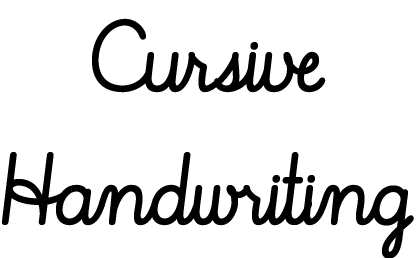
Learning to write in cursive can provide numerous benefits, both practical and cognitive. This program tackles cursive in a similar fashion to manuscript and builds on the foundation already covered earlier in the program. The process is listed below:
- Comparing similarities and differences between the manuscript and cursive alphabet.
- Identifying the connectors and labelling them.
- Forming the different connections with modelling clay.
- Practice Connecting Different types of letters together with modelling clay.
- Practicing Connecting Letters together with Cursive Handwriting.
- Formation practice for Speed and Accuracy
Private Tutor
Victory Disciple
Victory Disciple has worked for 10 plus years teaching five year olds with varying learning abilities the difficult skill of handwriting. She has a passion for engaging children to take ownership of their own learning as they engage in improving their handwriting skills. With 4 years of experience teaching handwriting, after her Spalding Training in 2017, she has developed this Handwriting Intervention Program to assist children who struggle with handwriting. Victory uses techniques gained from Feuerstein Training, to break down the structure of letter symbols, enabling children to overcome common errors of letter and number reversals.
Want to Enroll your Child?
Next Steps . . .
- Book a free consultation with me and discuss your child's needs. We can also discuss particulars around times, and regularity of sessions. Feel free to ask questions.
- Buy the CogniTwigs Handwriting Intervention Program bundle. Follow instructions for printing and laminating to prepare for lessons.
- Check out list of necessary equipment needed for class.
- Buy Class Time Slots and then book the times that are available.
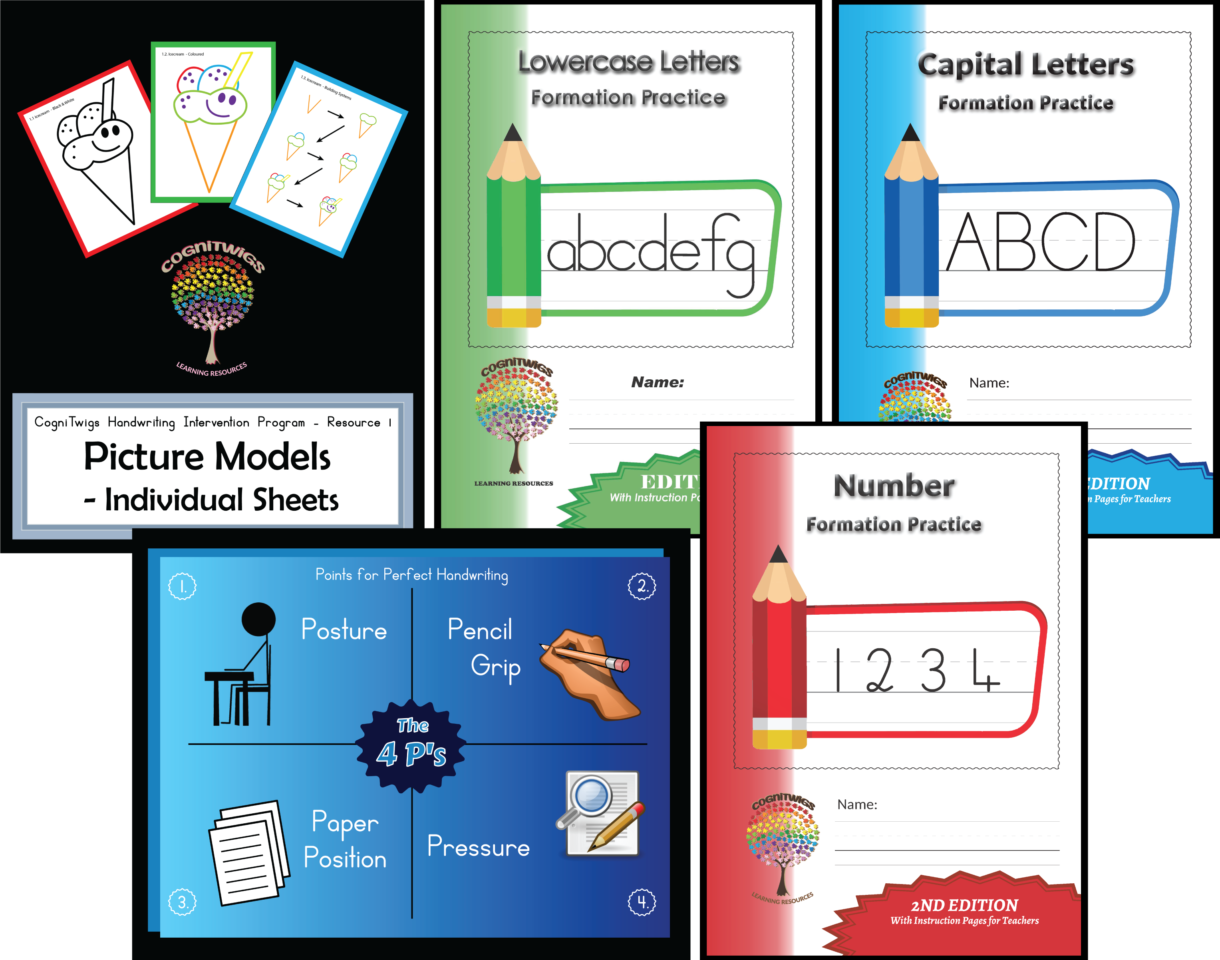
Cognitwigs Handwriting Intervention Bundle - Level 1
This bundle includes:
Private Tutor
Victory Disciple
Victory Disciple has worked for 10 plus years teaching five year olds with varying learning abilities the difficult skill of handwriting. She has a passion for engaging children to take ownership of their own learning as they engage in improving their handwriting skills. With 4 years of experience teaching handwriting, after her Spalding Training in 2017, she has developed this Handwriting Intervention Program to assist children who struggle with handwriting. Victory uses techniques gained from Feuerstein Training, to break down the structure of letter symbols, enabling children to overcome common errors of letter and number reversals.
Want to Enroll your Child?
Next Steps . . .
- Book a free consultation with me and discuss your child's needs. We can also discuss particulars around times, and regularity of sessions. Feel free to ask questions.
- Buy the CogniTwigs Handwriting Intervention Program bundle. Follow instructions for printing and laminating to prepare for lessons.
- Check out list of necessary equipment needed for class.
- Buy Class Time Slots and then book the times that are available.
Cognitwigs Handwriting Intervention Bundle - Level 1
This bundle includes: